
Professional Plant Health Care
The term Plant Health Care (PHC) refers to a comprehensive wellness program. Specifically, it involves controlling pests and disease while providing proper soil supplements. Because nature isn’t always cooperative, these services help your trees survive tough conditions. Furthermore, we tailor every program to your specific landscape needs.

Trees and shrubs have evolved over a long period of time along with plant pathogens and damaging pests. To a beetle, scale insect or spider mite your beautiful landscape looks like a smorgasborg. It’s meal time. The homeowner whose expensive landscape plants are the main course won’t be happy to be furnishing the meal. We’re here to help. Wolf Tree Specialists technicians are trained to spoil the party before the eating begins.
Plant Health Care / The IPM Principle
Our technicians assess each landscape to create a custom plan. First, we implement a program that provides proper controls only when needed. Specifically, we follow the principles of Integrated Pest Management (IPM). This means we monitor your trees to reduce unnecessary pesticide use. As a result, we protect your plants while saving you money.
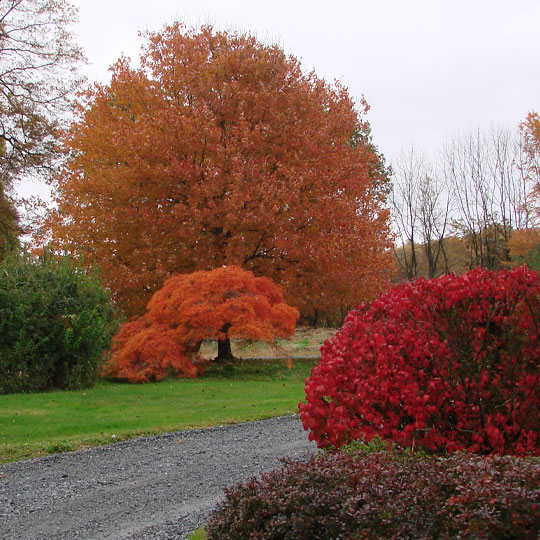
Our holistic approach to Plant Health Care relies on the principles of Integrated Pest Management, or IPM. This is a program developed and practiced in agriculture, and normally is a system to monitor and control insects and disease on a single crop. PHC applies the guidelines of IPM to a residential landscape where there can be a significant variety of plants with a number of pests to be monitored and controlled.
Healthier & Safer Results
Implementing PHC as a plant health management system results in reduced applications of pesticides, reduced costs, healthier landscape plants and a safer and healthier environment.
Plant Health Care Services
Fertilization & Soil Amendments
Soil amendments often improve a plant’s health. For example, many landscape species face varying climate and soil conditions. Additionally, some soils lack vital nutrients. Therefore, adding fertilizer and bio-stimulants can stimulate growth. Consequently, your trees will develop a higher disease resistance.
Insect & Mite Control
Insects and spider mites can damage many trees and shrubs. However, our team can control most species to limit damage. In fact, not all insects are bad for your property. Therefore, our strategies protect beneficial insects. Moreover, we enhance naturally occurring biological controls to keep your landscape safe.
Disease Control
Nature isn’t perfect, and some tree structures or branch attachments can be susceptible to failure.
Fertilization & Soil Amendments
Because of the many different species chosen as landscape plants, and because there are many different soil characteristics and varying climate and microclimate conditions, soil amendments are often recommended to improve a plant’s health. Some soils are deficient in nutrients while other soils might not be optimally structured to make nutrient uptake possible.
Our Process
Plant Health Care principles include optimizing a growing ‘site’ to give a plant the best chance of being healthy, which in turn will reduce the likelihood of disease and insect problems. Adding fertilizer, bio-stimulants and micronutrients to the soil can stimulate foliar growth and result in an increase in energy levels for the tree, increased vigor and resistance to disease and insect predation.

Certain chemical treatments that are applied to the soil will also lead to a healthier tree with a fuller crown, and often will help a tree get through a difficult and stressful period.
Is your soil promoting healthy growth?
Contact us to today to inquire about the treatments available if your trees or shrubs are not looking their best.
Insect & Mite Control
Insects and spider mites, if not controlled, can be damaging to many trees and shrubs. While some insect species pose serious threats to plant health, most can be controlled so that damage will be limited to an insignificant and tolerable level. And while some insect pests are damaging to plants, not all insects are bad. Many insects are beneficial and our treatment strategies are designed to protect beneficial insects and enhance naturally occurring biological controls.
Our Approach
Wolf Tree Specialists technicians evaluate each landscape, and after determining which treatments are needed, will make recommendations that follow PHC guidelines. Our Plant Health Care programs are designed to target particular pests and particular trees and shrubs.
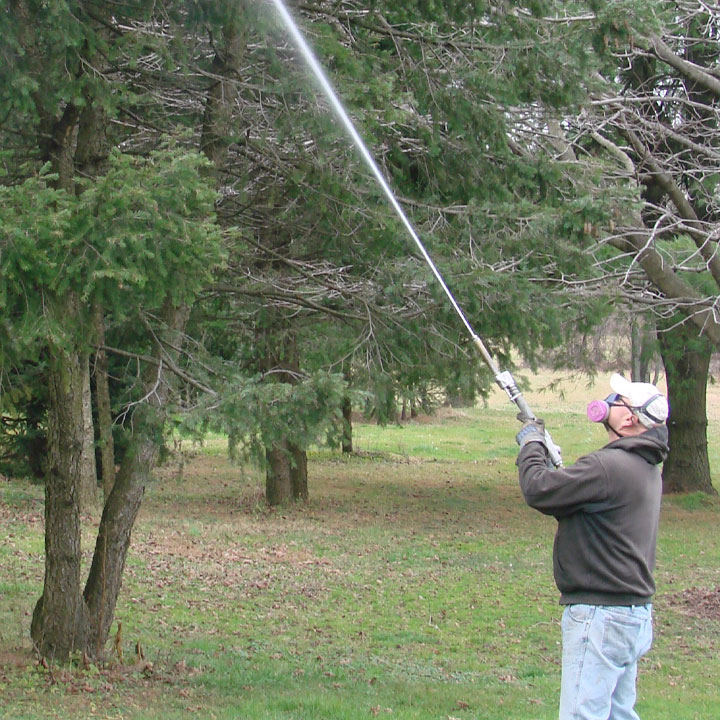
Not every tree or shrub is treated if it is unnecessary. Technicians also monitor levels of damage and only apply a particular control when predetermined thresholds have been reached. This strategy helps to keep treatment costs down and protects the environment from unnecessary application of pesticides.
Stay Alert!
Landscape owners can help make our treatments more effective by letting us know if anything is happening that could be damaging. This helps us keep our recommended treatments to a minimum. We recommend the fewest treatments necessary to keep pest populations to a minimum and keep your trees and shrubs looking beautiful and healthy.
Disease Control
Some diseases of trees and shrubs are not serious, while others are untreatable and incurable. We can offer options for treating those we can address, as well as provide strategies for those diseases without known cures.
Our Treatments
Foliar diseases of deciduous trees tend to recur each season and can often be treated with a foliar application. Systemic diseases are usually those that we cannot treat directly. When no particular control is an effective cure, we will recommend treatments that can delay the onset of a more serious and widespread decline in a tree.
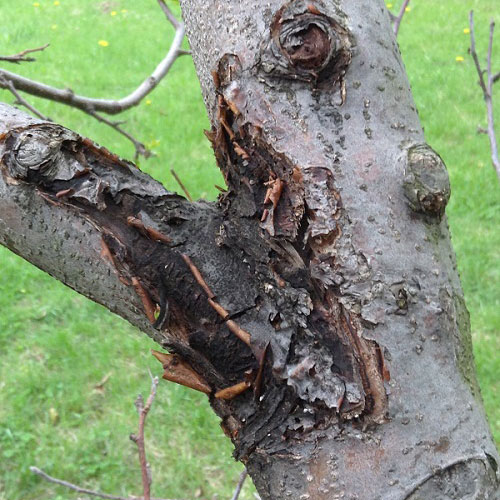
Keep your trees standing tall.
While we might not be able to ‘save’ a tree, we might be able to extend its life considerably, perhaps giving the owner a chance to enjoy it for many years to come. Contact us today if you have a tree in need of care.
Safety Regulations & the Environment
The Application of Pesticides is serious business. It is regulated by the Environmental Protection Agency and various state agencies charged with enforcing both State and Federal Regulations.
In Pennsylvania, applicators must be certified and licensed by the State Department of Agriculture. Each certified Applicator must regularly acquire Continuing Education Units by attending seminars on regulations, pests, pesticides, and treatment methods.
Each applicator employed by Wolf Tree Specialists has been certified by the State of Pennsylvania and has completed testing and training at state-approved training centers. Wolf Tree Specialists believes that we play an important part in keeping our world safe from the indiscriminate and unnecessary use of pesticides. Each employee at Wolf Tree Specialists understands that the responsible and safe application of pesticides will keep our community beautiful now and for future generations.