

Invasive & Destructive
At Wolf Tree Specialists, we provide professional assistance to protect your landscape. Specifically, we shield your trees and shrubs from newly arrived invasive pests. Furthermore, we manage species that have been in our neighborhoods for generations. As a result, your property remains healthy and vibrant.
Wolf Tree Specialists personnel are trained to identify and treat invasive and damaging pests that threaten our landscape trees and shrubs. While some damaging pests have evolved over many years other pests are invasive and new to our area. Use the guide below to educate yourself, and help identify pests that may be harmful to your trees and shrubs.
Invasive Pests New to Berks County
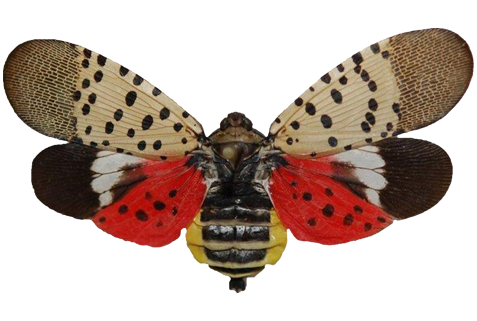
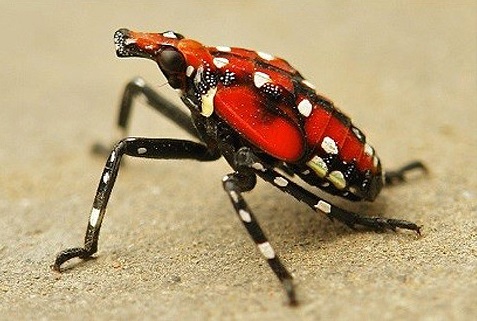
Spotted Lantern Fly
The Spotted Lanternfly is native to China and was first detected in PA in 2014. Since then, it has fed on a wide range of fruit and woody trees. Because they spread via egg masses, they can travel long distances quickly. Therefore, if allowed to spread, this pest could seriously impact the logging and orchard industries.
Emerald Ash Borer
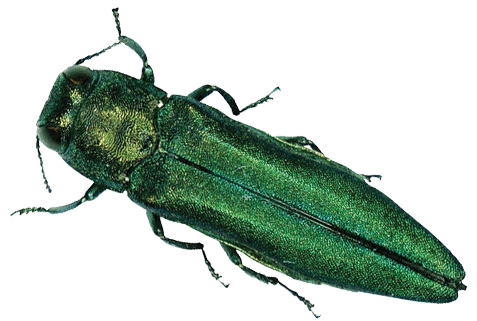
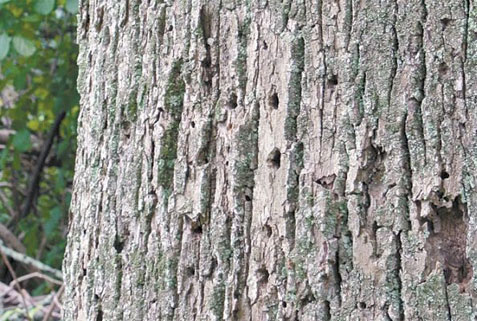
The Emerald Ash Borer is responsible for destroying tens of millions of ash trees. Although it is native to Asia, it likely arrived in wood packing materials. Currently, we offer a variety of treatment options to serve as a control measure. However, please keep in mind that these treatments are a management tool rather than a permanent cure.
Common Pests of Pennsylvania Trees & Shrubs
Bagworms
The bagworm is a perennial insect pest of arborvitae, juniper, pine, spruce, and many other evergreen species. This insect is most easily recognized by the case or bag that the caterpillar forms and suspends from ornamental plants on which it feeds.
Eastern Tent Caterpillar
The preferred hosts of this pest are cherry, crabapple, and apple. The eastern tent caterpillar occasionally attacks other deciduous ornamental shrubs, shade, and forest trees.
Fall Webworm
The fall webworm is a widely distributed native pest of shade trees and shrubs and appears from late summer through early fall. It feeds on almost 90 species of deciduous trees commonly attacking hickory, walnut, birch, cherry, and crabapple.
Gypsy Moth
The gypsy moth, was accidentally introduced into Massachusetts in l869.This pest is indirectly responsible for causing mortality of susceptible host trees. Heavy defoliation by the larval stage of this pest causes stress to infested host plants. It is the most important insect pest of forest and shade trees in the eastern United States.
Hemlock Woolly Adelgid
This is a significant pest of Eastern Hemlock trees in Pennsylvania. The most obvious sign of an infestation are filaments of wax produced by females. These cottony masses normally persist even after treatments have killed the pest. Treatments can be applied at various times throughout the year when the insets are vulnerable.
Japanese Beetles
The Japanese beetle causes extensive damage to ornamental trees, shrubs, and flowers throughout eastern United States. In Pennsylvania adults start to appear in late June. Beetles are most abundant during July and the first two weeks of August.
Lace Bug
Pieris, Rhododendron and Azalea shrubs are commonly affected by this pest. Both adults and nymphs injure the host by piercing the epidermis of a leaf and sucking fluid from plant tissue. The removal of plant juices causes foliar discoloration, reduced plant vigor, and premature leaf drop. Lace bugs can be found in all stages of development on broad-leaved evergreens until August or September.
Mimosa Webworm
The mimosa webworm feeds primarily on the leaves of mimosa and honeylocust trees. There are two generations per year, early to mid June and again in August and September.
Scale Insects
Scale insects can be either soft or hard bodied insects. They damage a variety of trees and shrubs by sucking sap from the plant. Often the first sign of an infestation is a sticky substance called honeydew secreted by the pest and found on leaves and stems of the infected plant. It is common to find sooty mold growing on the sticky substrate.
Spruce Spider Mite
The spruce spider mite is considered one of the most destructive spider mites in the United States. It injures the foliage of spruce, arborvitae, juniper, hemlock, pine, Douglas-fir, and occasionally other conifers.
Do your trees and shrubs need protecting?
Our Plant Health Care program controls pests and diseases keeping your trees or shrubs healthy and thriving when nature isn’t cooperating. Contact us today if something is happening that is potentially damaging. We recommend the least number of treatments that will keep pest populations to a minimum and keep your trees and shrubs looking beautiful and healthy.